

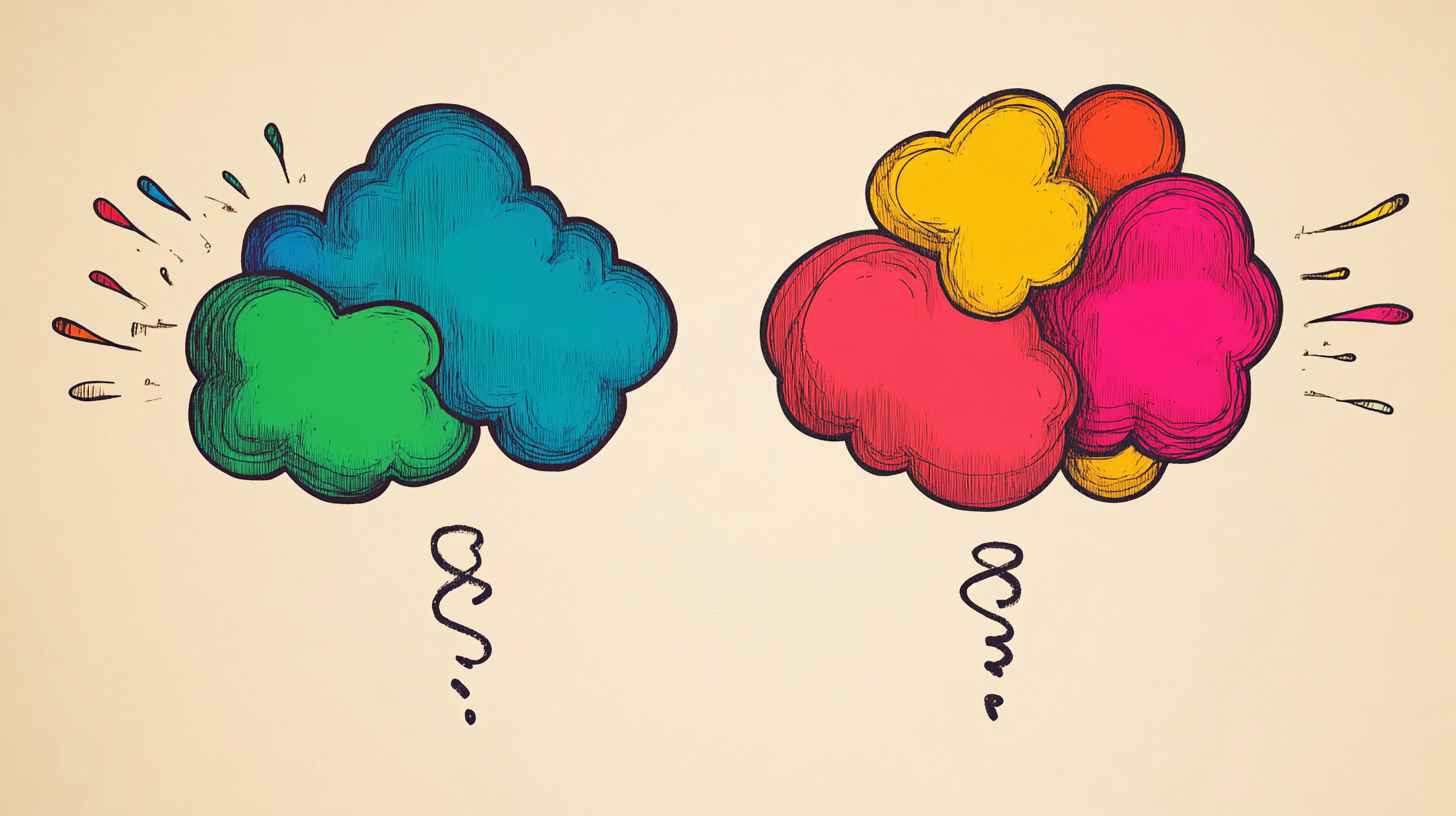
Personality types have a profound effect on how we approach personal growth and how we navigate relationships. Understanding whether you lean more toward introversion or extroversion can be an essential step in your growth journey. It shapes everything from how you recharge, how you relate to others, to how you handle challenges.
It’s important to note that nobody is 100% introvert or 100% extrovert. Most of us exist somewhere on a spectrum, with introverted and extroverted traits coexisting in different degrees. However, identifying your dominant tendencies can help you understand how you naturally function in the world, and by extension, how you can leverage these tendencies to foster personal growth and build stronger relationships.
Let’s dive into what it means to be an introvert or an extrovert and explore how these traits impact your growth and relationships.
Introverts: The Power of Reflection and Depth

Introverts are often seen as more introspective, reflective, and comfortable in solitude. They recharge by spending time alone or in calm, low-stimulus environments.
Strengths in Personal Growth
For introverts, personal growth often revolves around deep self-reflection. Introverts tend to be naturally attuned to their inner worlds, making them more likely to engage in introspection and deep thought. This self-awareness can be a powerful tool in personal development.
Introverts typically excel in personal growth practices like journaling, mindfulness, and meditation. These activities align well with their reflective nature and give them the space to process their emotions, thoughts, and desires.
Example: If you’re an introvert, taking time alone to reflect after a challenging situation can help you gain clarity. You may find that journaling about your emotions or thoughts after a difficult conversation brings deeper insights into how you handle conflict.
Challenges for Introverts

While introverts often excel at personal reflection, they may struggle with pushing themselves outside of their comfort zones. Because they recharge by being alone, introverts can sometimes avoid social situations that could help them grow.
Building confidence in relationships can be tricky for introverts, especially if it requires frequent socializing or networking. In relationships, introverts may need more alone time to recharge, which can be misunderstood by more extroverted partners or friends as detachment.
Extroverts: The Power of Action and Connection

On the flip side, extroverts draw their energy from interacting with others and being in stimulating environments. They thrive on social connection, and their personal growth often takes place through action and external engagement.
Strengths in Personal Growth
Extroverts tend to learn best through doing and through relationships with others. Growth for extroverts often comes from experiences—whether that’s participating in group activities, engaging in social settings, or collaborating on projects. For them, personal development is often driven by the lessons they learn from interacting with the world around them.
Extroverts often find it easier to assert their needs and boundaries in relationships. In personal growth terms, this can translate to a strong ability to push for opportunities, seek feedback, and take action on their goals.
Example: Whether you’re an extrovert or introvert, discussing your challenges with a coach or trusted friend can provide the clarity you need to move forward. Extroverts might find that bouncing ideas off others helps them process their thoughts, while introverts might appreciate the reflective space provided by these conversations.
Challenges for Extroverts

Extroverts may struggle with slowing down and looking inward. Their desire for stimulation and activity can sometimes prevent them from engaging in the kind of deep reflection that’s crucial for long-term growth.
They might also struggle with being alone, which can be important for processing emotions and understanding deeper motivations. In relationships, extroverts can overwhelm more introverted partners with their need for constant interaction or social activity.
How Personality Impacts Relationships

When it comes to relationships, understanding your personality type can dramatically improve your interactions with others. Being aware of whether you and your partner, friend, or colleague are more introverted or extroverted can help you navigate potential conflicts and build more meaningful connections.
Introverts in Relationships

Introverts tend to value deep, one-on-one connections. They thrive in relationships where they can have meaningful conversations and connect on an emotional level. However, introverts may struggle with more superficial or high-energy social interactions, which can lead to feelings of exhaustion.
In relationships, introverts may prefer fewer, but closer connections. If you’re an introvert, it’s important to communicate with your more extroverted partners about your need for alone time. Let them know that your need for space isn’t about avoiding them—it’s simply how you recharge.
Example: In my own experience, I’m an introvert, and my husband is an extrovert. Early on in our relationship, we struggled to balance our social lives. While I would be ready to leave a social gathering after a few hours, he would be just getting started. I’d feel drained, wanting to go home, while he’d want to stay out for the night. We eventually found a compromise that works for both of us: sometimes he goes out without me, and other times, I’ll leave early, and he’ll stay out longer. It’s a solution that allows both of us to honor our needs without putting pressure on the other person to conform.
Extroverts in Relationships

Extroverts tend to bring energy, excitement, and a social element to their relationships. They enjoy engaging in shared activities and are often seen as the life of the party. However, extroverts need to be mindful of not overwhelming their more introverted friends or partners with their social energy.
For extroverts, communication is key. If you’re feeling restless or in need of more social activity, it’s essential to share those feelings with your introverted partner. But it’s equally important to respect their need for quieter, more personal time.
Example: If you’re in a relationship with an introvert, try alternating between nights out and cozy nights in. This balance can allow both partners to feel understood and respected for their needs.
Leveraging Your Personality for Personal Growth
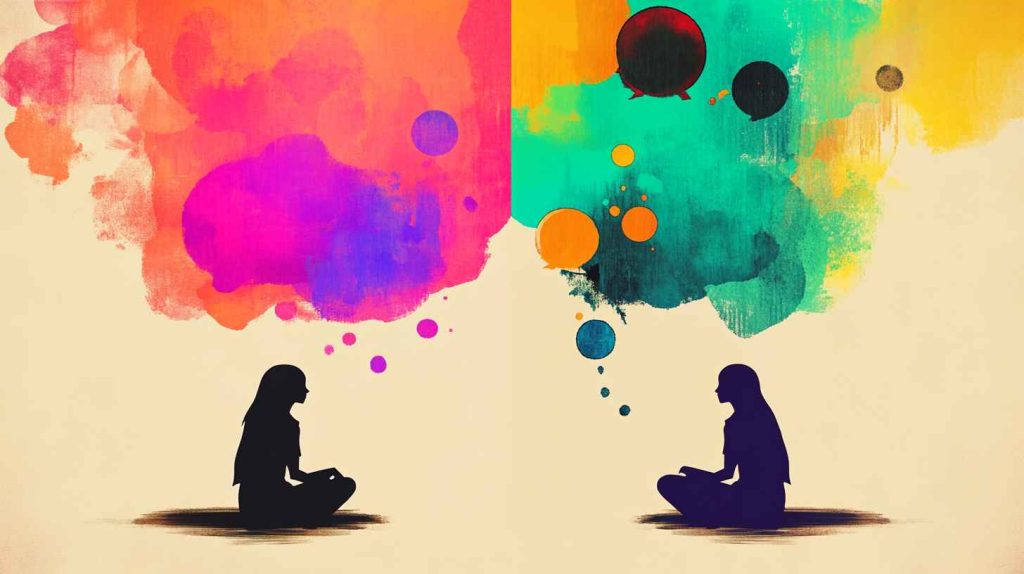
Whether you’re an introvert or an extrovert, knowing your personality type gives you an edge in your personal growth journey. The key is to lean into your strengths while also being aware of your challenges.
For Introverts: Embrace your introspective nature, but challenge yourself to step outside your comfort zone. Push yourself to take social risks, even if they feel uncomfortable. Personal growth often comes from stretching beyond what feels safe and easy.
For Extroverts: Leverage your social energy, but take time to reflect inwardly. Try journaling or practicing mindfulness to develop a deeper understanding of yourself. Growth isn’t just about action—it’s also about reflection and learning from past experiences.
Final Thoughts: Embracing the Spectrum of Personality

Whether you identify more as an introvert, extrovert, or somewhere in between, both personality types bring valuable strengths to personal growth and relationships. The key is to understand where you fall on the spectrum and to use that knowledge to navigate your world with greater awareness and intention.
Personal growth isn’t one-size-fits-all. It’s about discovering what works for you and honoring your unique path. By understanding your personality type, you can set yourself up for success—whether that’s through introspection or social connection.
Need help discovering your path to growth? Book a session with me today, and let’s explore how your personality type can help you thrive in both your personal life and relationships.